
GMAS (GLOBAL MARKET ACCESS SOLUTION)
Make Everything Be Easy!
Low Voltage Equipment
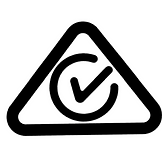
RCM Mark
Safety + EMC; 230-240V~ 50Hz; Plug type I;
Mandatory
Voluntary
Certificate Validity
(LR) Local Representative
Mandatory
5 Years
Yes
(FI) Factory Inspection
No
Annual Cert. Fee
Yes
Equipment Safety in Australia and New Zealand
Electrical safety, including equipment safety, in Australia and New Zealand is regulated by each Australian state and territory and New Zealand separately, however.
It is recommended to contact the regulator of the Australian state, territory or New Zealand in which you wish to conduct business to ask specific questions about equipment safety.
Note that regulators can assist you with enquiries about the equipment approval process, but if you need technical assistance you may need to engage an electrical compliance or engineering consultant.
ERAC members work towards a consistent and harmonious approach to ensuring the safety of electrical equipment.
Electrical equipment in Australia is regulated utilising pre-market and post-market surveillance.
The pre-market requirements include a Certification process for certain electrical equipment. Several regulators operate certification schemes, which, require the equipment to be shown, at a minimum, to meet Australian/New Zealand electrical safety standards and to be electrically safe.
Regulation in the states, territories and New Zealand requires all equipment, not just those that require certification, to be shown to be electrically safe and, at a minimum, to meet Australian/New Zealand electrical safety standards.
Queensland, Victoria, South Australia, Western Australia, Tasmania, Northern Territory and the Australian Capital Territory are transitioning into the new Electrical Equipment Safety System (EESS) (from 1 March 2013 in Queensland and progressively after that for the other participating jurisdictions). The EESS has three levels of classification of electrical equipment (level 1, level 2 and level 3) with proportional evidence of compliance requirements as well as requirements for registration of sellers of electrical equipment. See the EESS section for more information.
New South Wales (NSW) is not participating in the Electrical Equipment Safety System. NSW retain their existing system of Declared / Non-declared classifications and requirements. For NSW requirements please visit http://www.fairtrading.nsw.gov.au.
Post market surveillance includes audits and investigations conducted by electrical safety regulators in each jurisdiction, as well as coordinated check test programs for either targeted or randomly chosen equipment in the market place. Significant penalties can apply as a result of breaching legislative requirements.
Equipment Marking
With the progressive introduction of the EESS across participating jurisdictions, the marking requirements for electrical equipment is currently moving towards a single mark called the Regulatory Compliance Mark (RCM). This mark is a trade mark of the ERAC members and conditions of its use is detailed in the latest edition of AS/NZS4417.1.
Levels of Electrical Equipment
The EESS provides for in-scope electrical equipment to be classified into three levels (level 3, level 2 and level 1). There are proportionate requirements for each level, depending upon the potential risk currently identified for the item.
Level 3 is classified as potentially high risk equipment. Information about level 3 equipment, including registration and certification requirements can be obtained by clicking on the link here.
Level 2 is classified as potentially medium risk equipment. Information about level 2 equipment, including registration requirements, can be found here.
Level 1 is in-scope electrical equipment not classified as Level 3 or Level 2 equipment. Information relating to level 1 equipment can be found here.